Cruel Donuts: Sweet Season of Success
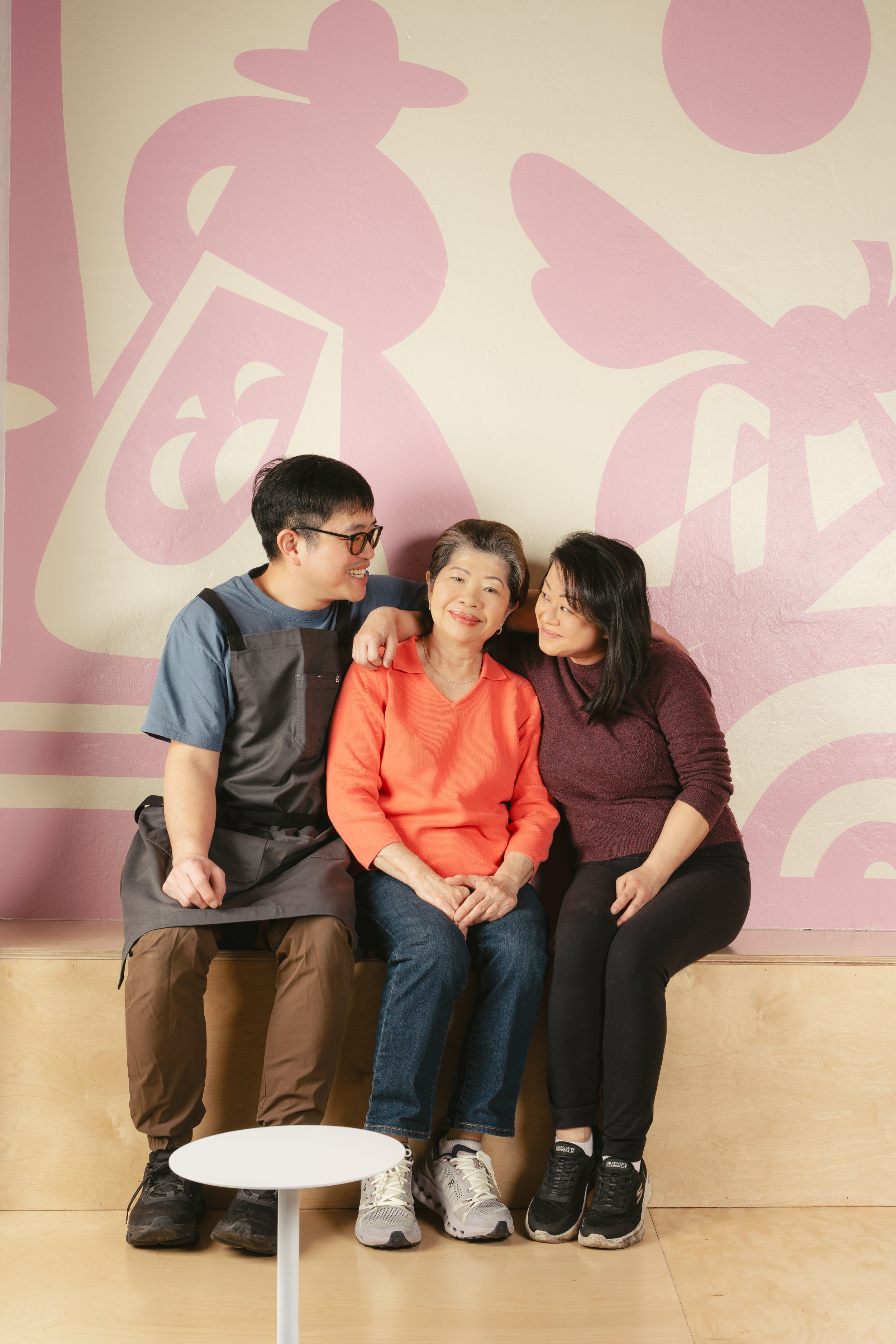
There was a time when Lean Ma wanted nothing to do with donuts.
As a teenager, weekends meant early mornings and long hours at the shop, helping her parents run the business they had built from nothing. It wasn’t glamorous. It wasn’t optional. And it certainly wasn’t what she imagined for herself.
So she left.
After college, she moved into restaurants and coffee shops, drawn to the pace, the energy, the feeling of something happening all the time. For nearly a decade, she and her husband ran businesses in San Francisco, building a life that felt, at least on the surface, like a departure from where she had started.
Then came the pause. The kind that doesn’t announce itself as permanent, but rearranges everything anyway.
During COVID, the rhythm that had once felt exciting began to feel unsustainable. Weekends, which had always been the busiest days, were the same days her children were home—days she was missing. The work hadn’t changed, exactly. But the meaning of it had.
And slowly, almost reluctantly at first, she began to reconsider the one thing she had spent years avoiding.
Donuts.
-
Her parents arrived in the United States from Cambodia with nothing—no money, no English, no certainty about what would come next. They had fled during the war, carrying with them the kind of experiences that rarely make it into everyday conversation: hunger, separation, loss, the constant presence of danger.
They were sponsored by a family member and settled first in Tacoma, Washington, where a church helped them find housing and food. Her father worked as a janitor. They took English classes at night. They learned how to start over.
When an opportunity came—a donut shop for sale in California—her father took a trip south to see it. He didn’t know the language, but he understood work. He understood risk. He understood what it meant to build something with his own hands.
They moved again. Yucca Valley, near Joshua Tree. Early mornings that stretched into midnight. Making donuts, delivering them, repeating the cycle day after day. For years, their daughter barely saw them—sleeping when they left, sleeping when they returned.
At the time, it was simply how life was.
Now, it reads differently.
-
By the time the family settled in the Bay Area, the business had found its footing, but the habits remained. Work was constant. Motion was constant. Even at home, her mother rarely sat still.
She notices it now because she sees it in herself.
“I can’t stay still,” she says, not as a complaint, but as recognition.
What was once survival had become instinct.
-
The decision to return to donuts wasn’t driven by nostalgia. It was practical. It was personal. It was, in some ways, corrective.
She and her husband opened a shop in San Mateo, closer to home, closer to their children. The name—Cruel Donuts—was a nod to French crullers, though as in-house ice cream crafter Ray Lai likes to say, the flavors are so good, it’s cruel.
What mattered more than the name was the shift.
The pace was still demanding, but it was different. The work still required discipline, but it no longer took everything. There was room now—for school pick-ups, for being present, for the kind of family time her parents had not been able to afford.
It wasn’t a rejection of what they had built. It was a continuation, adjusted.
-
The lessons she carries from her parents are not abstract.
Hard work, yes—but not as something to be admired from a distance. As something lived, daily, until it becomes indistinguishable from routine. Perseverance, yes—but not as a slogan. As the quiet decision to keep going, even when there are easier reasons to stop. And perhaps most importantly: the understanding that opportunity exists, but does not announce itself. It has to be recognized, and then pursued.
Her parents didn’t call it entrepreneurship. They called it doing what needed to be done.
-
Now, her own children work in the business part-time.
Not because they are expected to take it over. In fact, she is clear that she doesn’t expect—or necessarily want—that. They have their own interests, their own ideas about what their lives might become. But she wants them to understand something more foundational: what it means to work, to contribute, to see a process through.
The business, in that sense, is less an inheritance than a classroom.
-
In San Mateo, the work has taken on another dimension.
Customers come in every day—some literally every day—until their routines become familiar, their preferences memorized, their presence expected. Children who once came in with their parents return years later, taller, changed, but recognizable.
It is easy to describe it as community, but that word can flatten what is actually happening. This is repetition, over time, becoming relationship. This is a business becoming part of the shape of people’s lives.
-
If the first generation built the foundation out of necessity, the second is shaping what it means to live with it. There is more balance now. More intention. More space for choice. But the core remains intact.
The early mornings. The long hours.
The belief that something can be built, even from nothing.
-
She once ran from donuts.
Now, she understands what they held. Not just a business, but a story—of survival, of risk, of persistence carried quietly across decades.
Returning to it was not a step backward. It was a way of moving forward, with a clearer sense of what matters—and what doesn’t.
And of building something Lean’s children might not need to inherit, but will always understand.